How to Become an Airline Pilot with No Experience
Share this article:
Becoming an airline pilot can seem like a career reserved for people who grew up around airplanes or already have years of flying experience. In reality, you can start from zero and work your way toward an airline cockpit one step at a time.
The process includes learning to fly, earning FAA certificates and ratings, building flight hours, and gaining professional experience. Understanding each stage can help you see what it takes to go from your first flight lesson to pursuing your first airline job.
Becoming an Airline Pilot with No Experience
You can start training for an airline career even if you have never flown an airplane. You do not need an aviation degree, previous military service, or a family background in aviation to begin.
The basic requirements are more approachable than many new students expect. You must be at least 17 years old to earn a Private Pilot Certificate, have a high school diploma or equivalent for most career pathways, and be able to read, speak, write, and understand English. You will also need to qualify for an FAA medical certificate.
Perfect eyesight is not required, either. FAA vision standards allow pilots to use glasses or contact lenses to meet the required level of visual acuity, including correction to 20/20 for distant vision when applicable.
For someone starting from scratch, the bigger commitment is completing flight training and steadily gaining experience. Your first lessons teach the fundamentals, and each certificate or rating moves you closer to flying professionally.
Get Your FAA Medical Certificate Early
Get your FAA medical certificate early in your training. An Aviation Medical Examiner (AME) will review your health, vision, hearing, medications, and medical history to determine if you meet FAA standards.
Airline pilots ultimately need a First-Class Medical Certificate, so it can make sense to apply for one from the start. This lets you identify any medical certification issues before investing significant time and money in flight training.
Earn the Five Credentials Every Airline Pilot Must Have
Starting from zero means progressing through a series of FAA certificates and ratings. Each stage adds new skills, privileges, and experience that prepare you for professional flying.
- Private Pilot License (PPL): Learn the fundamentals of flying, including takeoffs, landings, navigation, aircraft control, and solo flight.
2. Instrument Rating (IFR): Learn to fly using aircraft instruments when visibility is limited or weather conditions require instrument flight.
3. Commercial Pilot Certificate: Qualify to fly for compensation and meet higher standards for aircraft operation and decision-making.
4. Multi-Engine Rating: Train to operate airplanes that have more than one engine, an important step toward flying larger commercial aircraft.
5. Certified Flight Instructor (CFI): Qualify to teach new pilots while gaining flight hours and professional experience.
Completing these credentials takes you from a first-time student to a commercial pilot who can begin building the experience needed for an
airline career.
Try Flying Before You Sign Up for Training
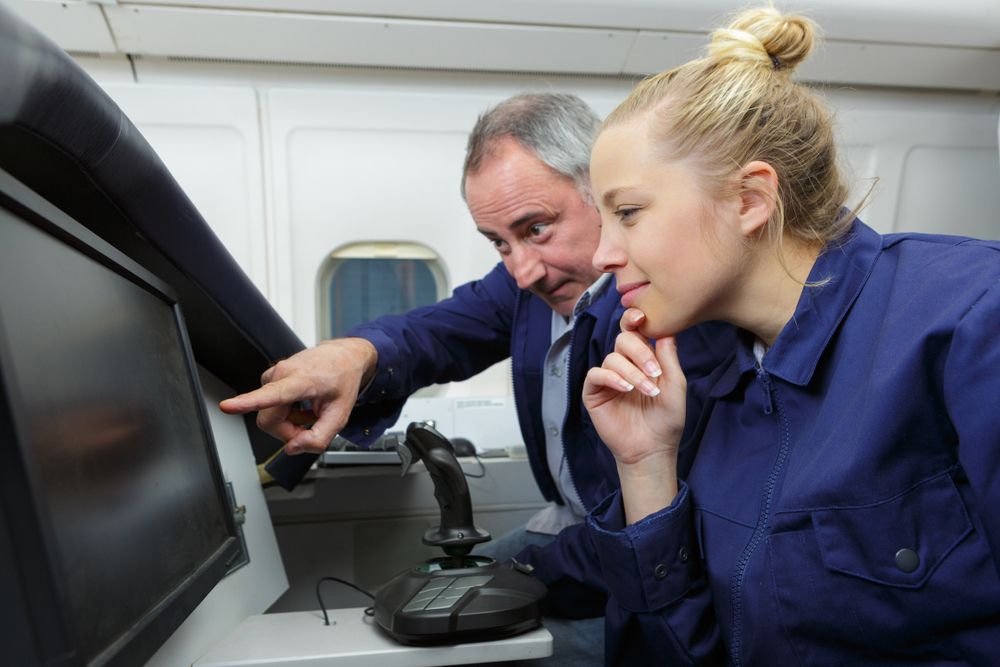
Before committing to a career training program that can cost $60,000 or more, spend some time at the controls. A Discovery Flight gives you a low-cost way to see how flying feels and decide if pilot training is something you want to pursue seriously.
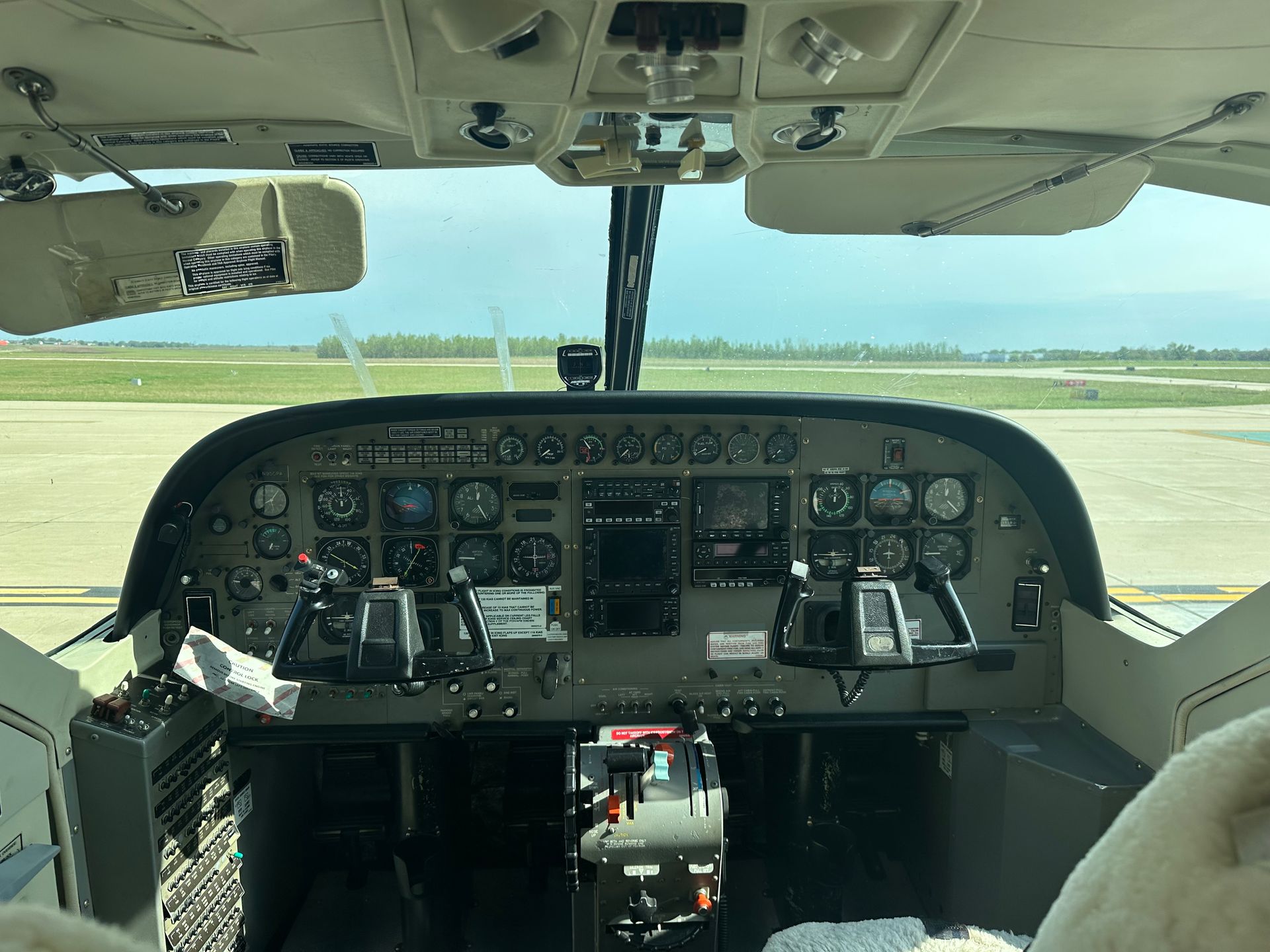
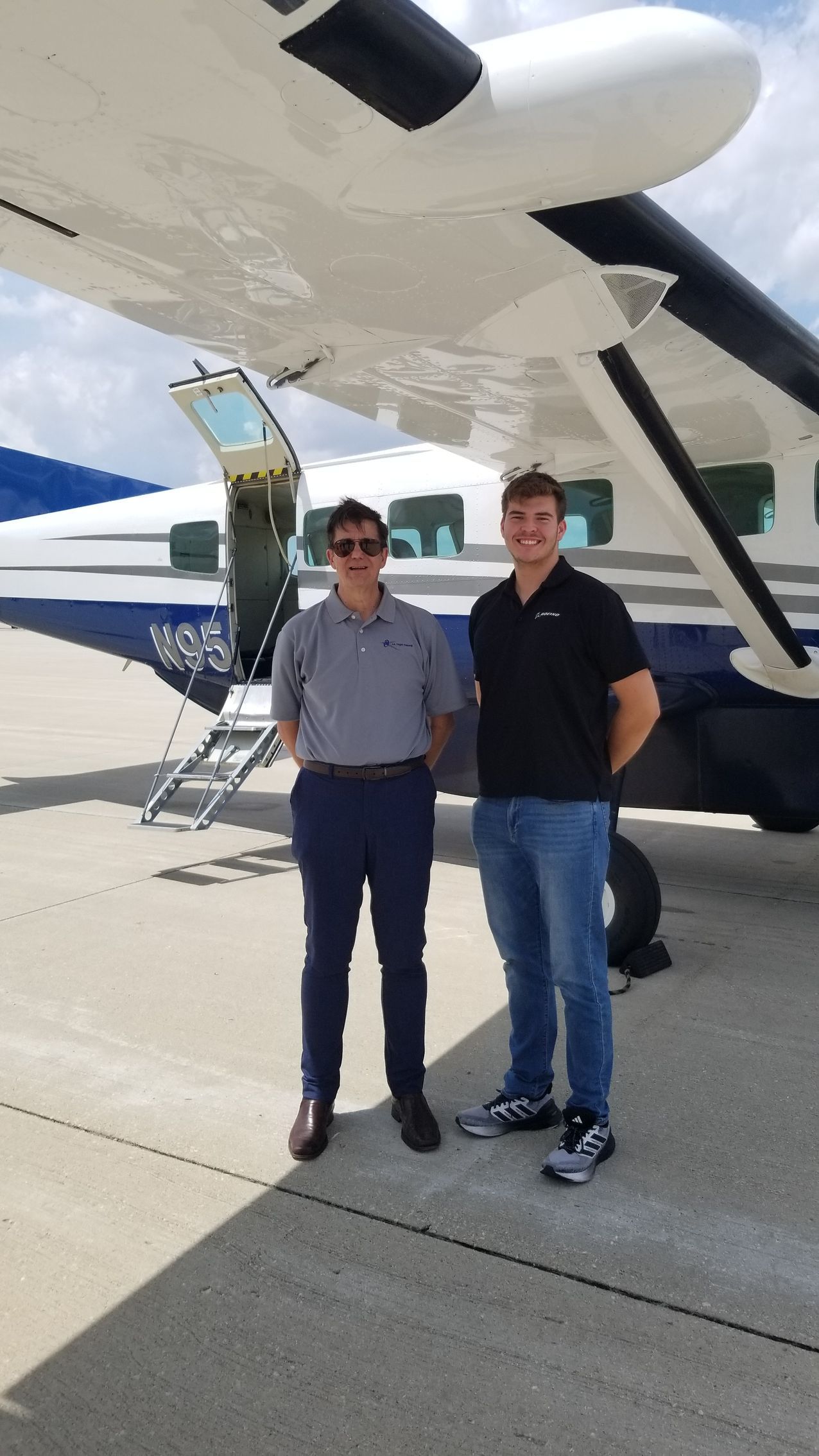
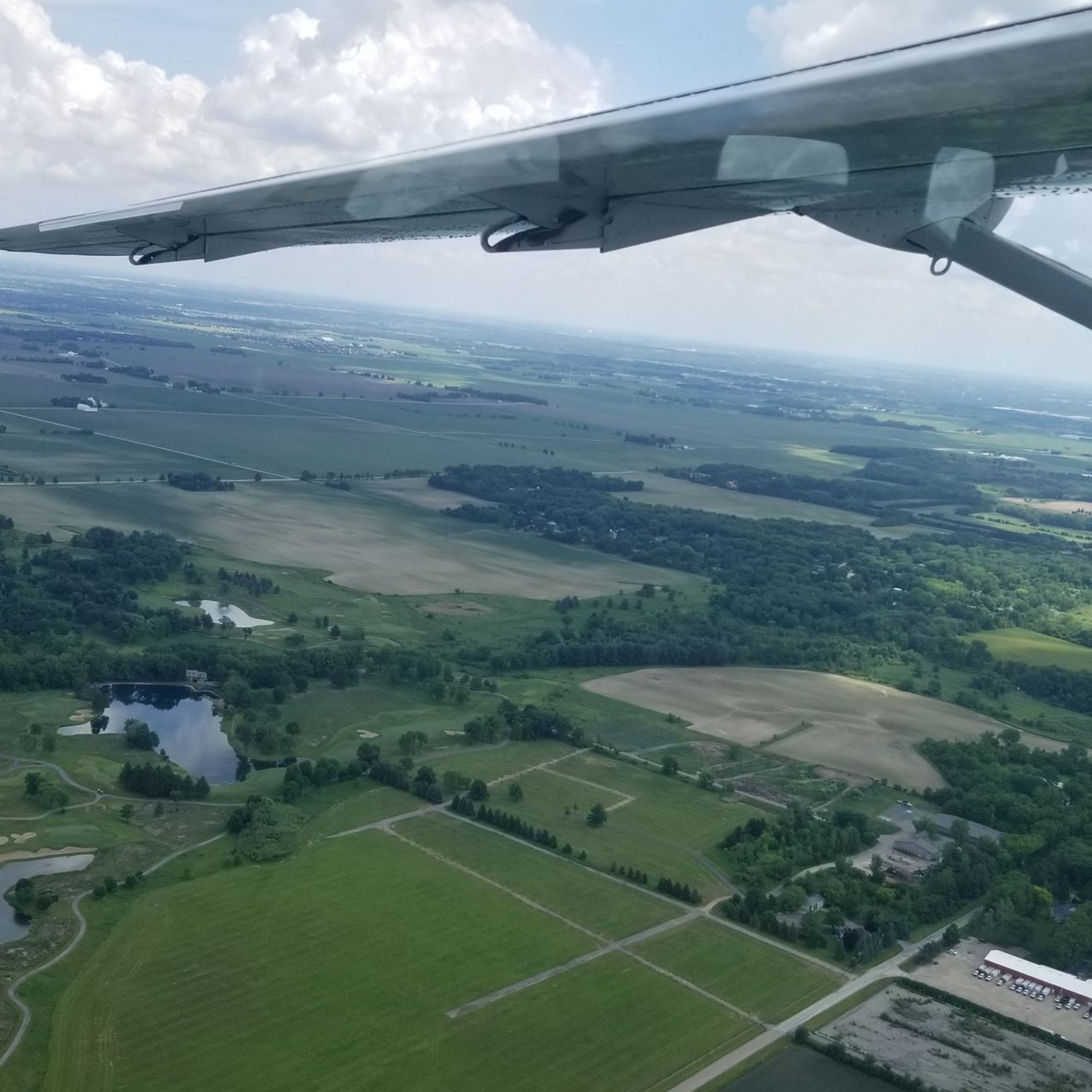
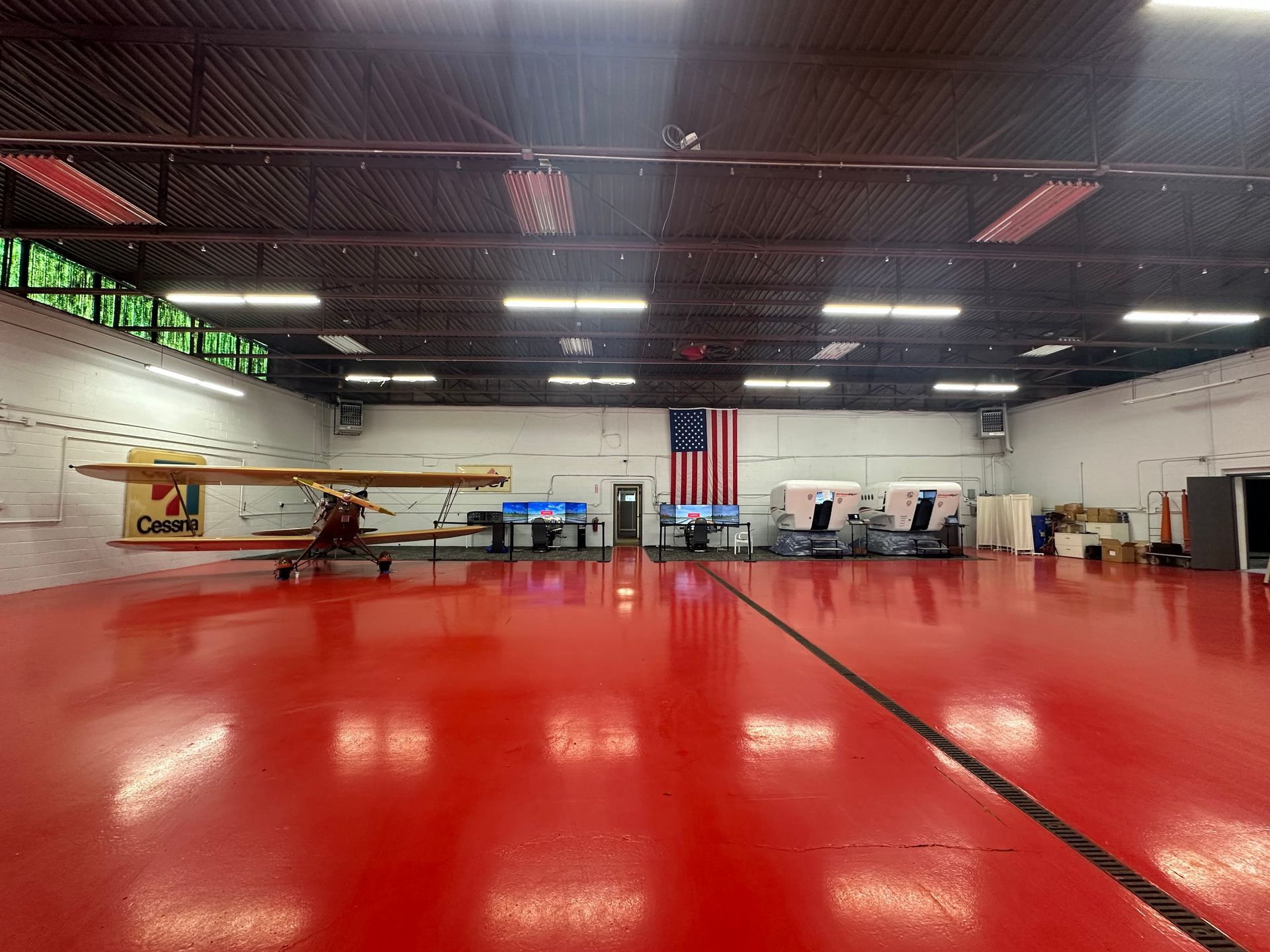
JA Flight offers a $199 Discovery Flight that includes two 30-minute lessons. You will spend one lesson in a VirtualFly simulator and another flying a real Cessna alongside a certified flight instructor.
It is a small first step that can give you much more confidence before making a major career and financial commitment.
Build Flight Hours to Show Airlines You’re Experienced
Earning your certificates is only part of the process. You also need enough flight time to qualify for an Airline Transport Pilot (ATP) certificate, which is required for most airline pilot positions.
The standard FAA requirement is 1,500 flight hours. Students who complete an approved Part 141 training program may qualify for a Restricted ATP (R-ATP) at fewer hours, depending on the applicable training pathway.
At JA Flight, eligible graduates can pursue an R-ATP at 1,250 hours. That can cut 250 hours from the traditional 1,500-hour path and help qualified pilots reach the next stage of their careers sooner.
Working as a CFI Pays You to Fly
After earning your Commercial Pilot Certificate and Certified Flight Instructor (CFI) certificate, you can start getting paid to teach other students while logging flight time of your own. Instead of treating hour-building like a waiting period, working as a CFI turns it into paid professional experience.
JA Flight hires CFIs from its own student pipeline, giving graduates a direct path from training into instruction. CFIs can earn around $55,000 to $65,000 while working toward the flight-hour requirements for an R-ATP and their next professional flying opportunity.
The Fastest Path to a Real Airline Job
For students focused on reaching an airline cockpit sooner, the training program you choose can affect what happens after you earn your certificates. JA Flight offers the only Part 141 curriculum created specifically for Southern Airways Express, giving students a defined route from zero flight experience to a co-pilot position in 12 months in some cases.
That early airline experience can continue paying off later in your career. After two years at Southern Airways Express, pilots who move to SkyWest can enter with two years of work credit. Instead of beginning at year-zero seniority, they can start at year two, providing a head start on pay progression and career advancement.
Financing, Timeline, and Your First Paycheck
Flight training is a significant investment, so consider the full career timeline when planning how to pay for it. Financing options can help eligible students spread training costs over time rather than paying the entire amount upfront.
The timeline depends on your training schedule, weather, aircraft availability, and how quickly you complete each requirement. Full-time students generally progress faster than those training around work or school.
Your first aviation paycheck can come well before your first airline job. Once you earn your Commercial Pilot and CFI certificates, you can begin earning income through flight instruction while continuing to build the hours needed for the next stage of your career.
Start Your Pilot Career at JA Flight
You do not need previous flight experience to begin working toward an airline career. You need structured training, consistent flight time, and opportunities to gain professional experience.
At JA Flight, we offer career-focused pilot training at Aurora Municipal Airport for students who are completely new to aviation. Our Part 141 programs provide a clear route through FAA certificates, ratings, hour-building, and employment opportunities.
Curious about flying but not ready to commit to a full training program? Book our $199 Discovery Flight and get your first experience at the controls. If you are ready to pursue aviation professionally, explore our Career Airline Pilot Program and take the first step toward an airline career.
Connect with Us: