How FAA MOSAIC Changes Sport Pilot Training
Share this article:
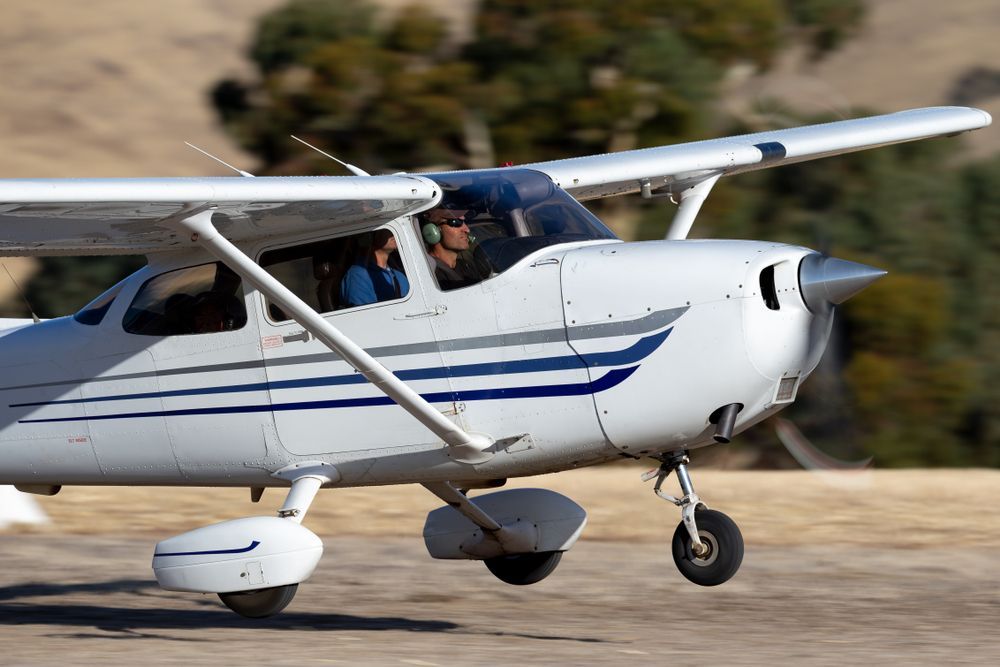
Every professional pilot career begins at the same place: the first certificate. For most aspiring pilots, that has meant a Private Pilot certificate. The FAA MOSAIC rule added another option. Since October 2025, sport pilots can train and fly in common trainers like the Cessna 172, the same airplane many flight schools use for private and commercial training. Students can now start on the Sport Pilot track, log hours in a career-track airplane, and upgrade later without switching aircraft or schools.

What Changed Under the FAA MOSAIC Rules?
The core shift was how the FAA decides which airplanes a sport pilot can fly. Under the FAA MOSAIC rules, the old weight and airspeed caps are gone. In their place, the FAA now uses a performance-based stall speed test. If an airplane meets the stall speed limit, a sport pilot can fly it. According to EAA, this change opened sport pilot flying to roughly 70% of the general aviation fleet.
Three headline changes came out of the rule.
- Bigger eligible aircraft. Larger airplanes, including many four-seat trainers, now fall within sport pilot limits.
- New endorsement paths. Sport pilots can now add privileges for night VFR flying, retractable landing gear, and constant-speed propellers through additional training and an instructor endorsement.
- A certificate that stands on its own. The Sport Pilot certificate is no longer tied to the old light-sport aircraft definition in 14 CFR § 1.1.
When Did the FAA MOSAIC Update Take Effect?
The FAA published the MOSAIC final rule on July 24, 2025, and rolled it out in two phases. Both phases are now in effect.
Phase I took effect on October 22, 2025. It covered the pilot side of the rule, including expanded
sport pilot privileges, the
night flying endorsement, and
additional privilege endorsements for retractable gear and constant-speed props. This phase made it possible for sport pilots to start training in airplanes like the Cessna 172.
Phase II took effect on July 24, 2026. It removed the light-sport aircraft definition from 14 CFR § 1.1 and introduced the new Part 22 airworthiness certification standards. This phase focused on aircraft certification instead of pilot privileges.
Which Aircraft Can Sport Pilots Fly Under MOSAIC?
The answer comes down to stall speed. Under 14 CFR § 61.316, a sport pilot may fly an airplane whose clean stall speed (VS1) is 59 knots calibrated airspeed or less. That number is measured at maximum certificated takeoff weight and the most critical center of gravity. The airplane must have met the limit since its original certification, so modifications that lower the stall speed later do not make an airplane eligible.
Eligible airplanes can have up to four seats and any type of engine except a turbojet. Retractable gear and constant-speed props are allowed once a pilot earns the required endorsements.
That puts several common trainers within reach, including many models of the Cessna 172, Cessna 150/152, Piper PA-28-160, and Diamond DA-40.
Two limits still apply. Sport pilots can carry only one passenger, even in a four-seat airplane. Any aircraft that requires a
type rating also remains off-limits.
How MOSAIC Changes Sport Pilot Training
MOSAIC kept the core of sport pilot training in place. The biggest differences show up in the airplanes students can train in and the extra privileges they can add along the way.
Sport Pilot Certification Requirements That Stay the Same
The basic requirements for the
certificate did not change. Students still need to be at least 17 years old, demonstrate English proficiency, hold a valid driver’s license, complete at least 20 hours of flight training, and pass the required FAA tests. For daytime flying, a valid driver’s license still works in place of an FAA medical certificate.
New Training and Endorsements Under MOSAIC
Sport pilots can now add new privileges through targeted training. Night flying requires 3 hours of night training, an instructor endorsement, and either an FAA medical certificate or BasicMed. Retractable gear and manual controllable-pitch propellers each require their own training and endorsement. Students can also credit up to 2.5 hours in an approved simulator or training device toward their flight time.
Updated Sport Pilot Instructor Requirements
Sport pilot instructors gained new privileges too. According to EAA, an instructor’s teaching privileges expand to match their own privileges as pilot in command. A sport pilot instructor who holds the right medical certification, training, and endorsement can now teach at night. Sport pilot checkrides are also no longer limited to light-sport aircraft.
Sport Pilot vs. Private Pilot Under FAA MOSAIC
MOSAIC brought the two certificates closer together, though they still serve different goals. A Sport Pilot certificate requires a minimum of 20 hours of flight training, compared to 40 hours for a Private Pilot certificate. Sport pilots can fly during the day using a valid driver’s license in place of a medical certificate. They are still limited to one passenger and to airplanes that meet the 59-knot stall speed limit.
For students planning a
professional flying career, the Private Pilot certificate is still the next step. JA Flight’s career path moves from Private Pilot into instrument, commercial, and multi-engine training. Sport Pilot gives students a way to start flying sooner, in fewer hours, before taking that next step.
What MOSAIC Means for JA Flight’s Cessna 172 Fleet
JA Flight trains out of Sugar Grove in a fleet of Cessna 172s. Under MOSAIC, a sport pilot can fly a 172 if that airplane’s published clean stall speed is 59 knots or less, which puts the 172 among the most common trainers now open to sport pilots.
For students, this means starting in the same airplane used for Private Pilot training. A student can earn a Sport Pilot certificate in a JA Flight 172 and later upgrade to Private or Commercial without switching schools. The hours, the instructors, and the airplane all stay familiar from the first lesson through the career pilot program.
Explore Your Pilot Training Options at JA Flight
Choosing a starting certificate is only one part of the plan. A professional flying career also depends on building flight hours, and JA Flight helps students reach those time requirements through flight instruction, internships, and industry affiliations.
The easiest way to get started is a discovery flight. You’ll get time in the airplane, meet a JA Flight instructor, and talk through which training path makes sense for your goals and budget.
Contact JA Flight today to schedule yours.
Connect with Us: