Cessna Caravan Initial Flight Training vs. Recurrent Flight Training
Share this article:
Cessna Caravan pilots need different training at different stages of their careers. A pilot transitioning into the Caravan for the first time has different priorities than an experienced operator preparing for another training cycle.
Initial flight training focuses on aircraft systems, handling characteristics, and operating procedures. Recurrent flight training helps experienced pilots maintain proficiency, practice emergency scenarios, and stay current on procedures they may rarely encounter during routine flights.
Choosing the right course starts with understanding these differences, along with any FAA, employer, or insurance requirements that apply to your operation.
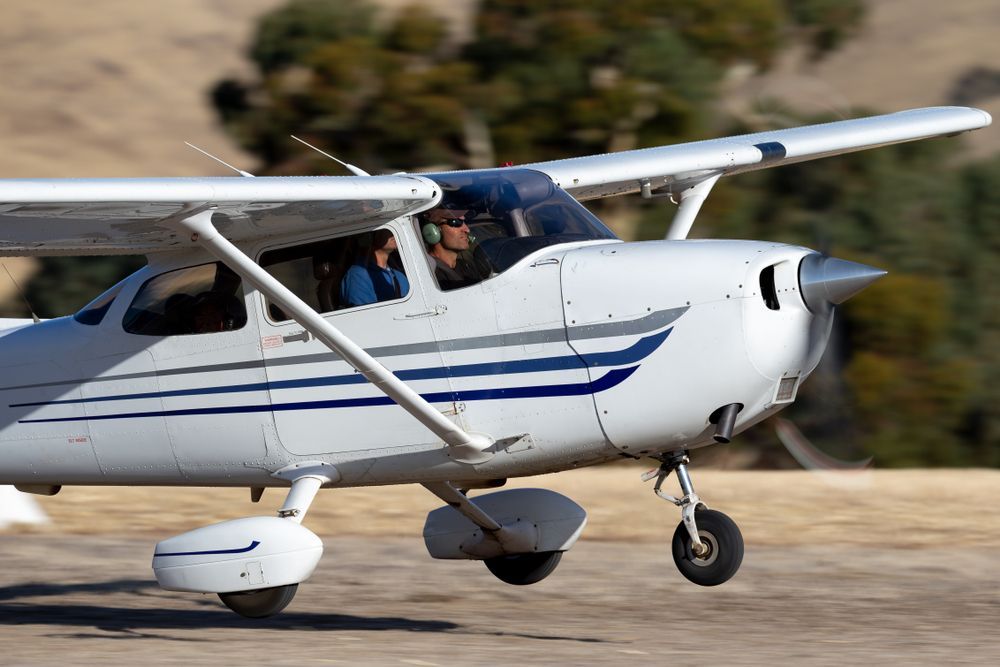
Initial vs. Recurrent Flight Training: Key Differences
The main difference between initial and recurrent flight training comes down to a pilot's experience in the Cessna Caravan.
Initial pilot training is intended for pilots transitioning into the Caravan or learning to operate it for the first time. Instruction covers aircraft systems, turbine engine operation, performance limitations, and normal and emergency procedures. The goal is to develop the knowledge and practical skills needed to operate the aircraft safely.
Recurrent pilot training is designed for pilots who already have Caravan experience. It reinforces existing skills through systems reviews, emergency scenarios, instrument procedures, and proficiency checks when applicable.
Both courses support pilot proficiency, but the appropriate choice also depends on recent flight experience, operational responsibilities, and insurance requirements.
What Cessna Caravan Initial Pilot Training Covers
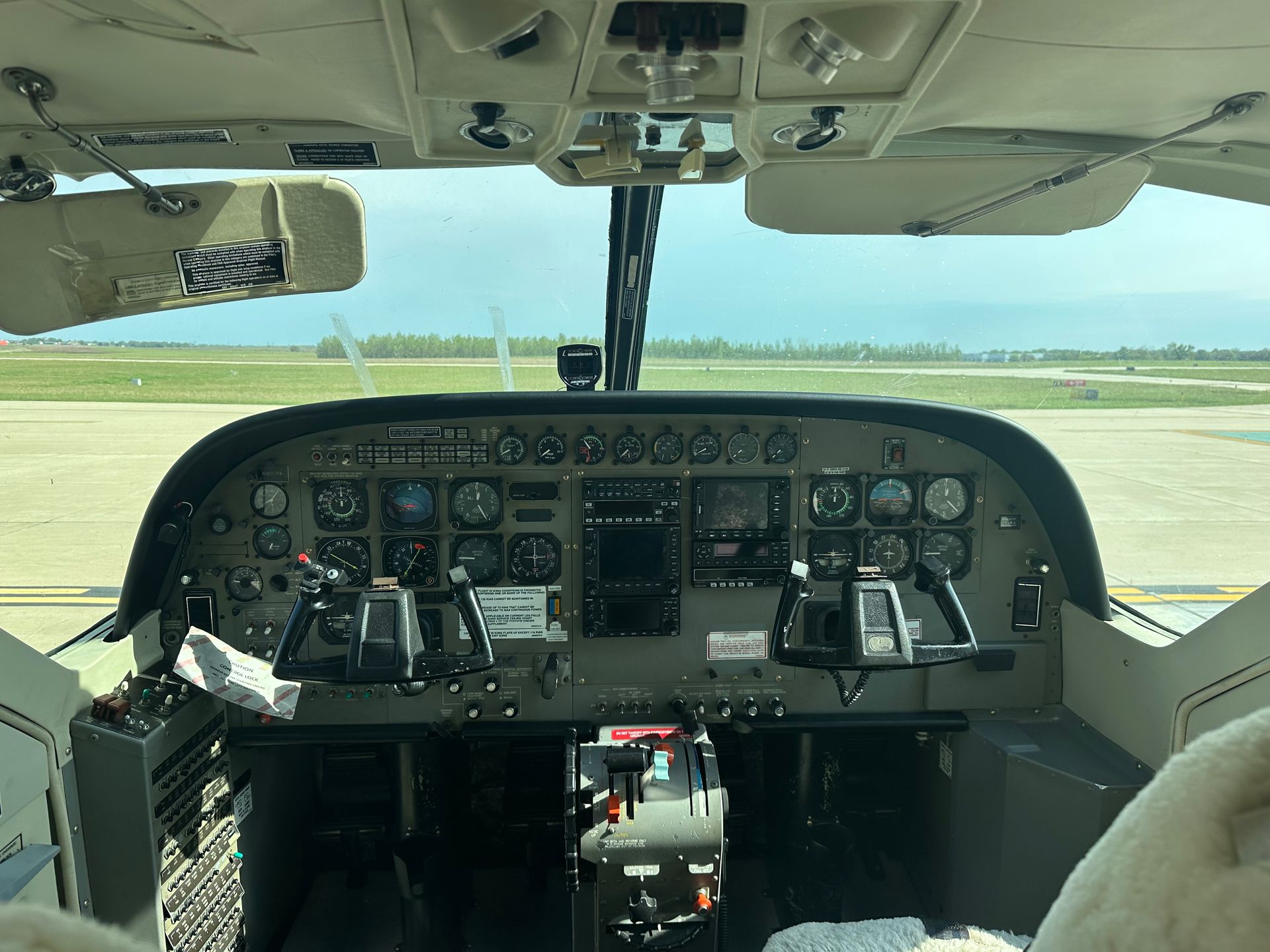
Initial pilot training introduces experienced pilots to the Cessna Caravan's systems, handling characteristics, and operating procedures. Since the Caravan uses a Pratt & Whitney Canada PT6A-series turboprop engine, pilots transitioning from piston-powered aircraft must learn turbine engine management and the aircraft's unique performance characteristics.
Training typically covers:
- Aircraft systems: Engine operation, electrical systems, fuel management, and avionics.
- Flight procedures: Normal checklists, takeoffs, landings, climbs, and approaches.
- Performance planning: Aircraft limitations, weight and balance, and runway performance.
- Emergency procedures: Engine failures, system malfunctions, and abnormal flight conditions.
JA Flight's Cessna Caravan initial training program combines ground instruction, simulator sessions, and flight time in an actual Caravan. This approach gives pilots opportunities to practice procedures in a controlled setting before applying their skills in the aircraft.
What Cessna Caravan Recurrent Pilot Training Covers
Recurrent pilot training helps experienced Caravan pilots maintain proficiency and revisit procedures that may receive limited attention during everyday operations. It focuses on reinforcing aircraft knowledge, practicing abnormal situations, and identifying areas that need improvement.
Training typically covers:
- Aircraft systems review: Refreshing knowledge of turbine engine operation, electrical systems, fuel management, and aircraft limitations.
- Emergency procedures: Practicing engine failures, system malfunctions, and emergency descents.
- Instrument procedures: Reviewing IFR approaches, holding patterns, and navigation procedures.
- Weather-related operations: Reviewing icing protection systems and procedures for challenging weather conditions.
JA Flight's Cessna Caravan recurrent training program includes ground instruction and simulator sessions. Pilots can practice emergency scenarios and instrument procedures in a controlled environment without introducing unnecessary risks during actual flight.
FAA Requirements for Initial and Recurrent Training
FAA training requirements depend on a pilot's certificates, recent flight experience, and type of operation. There is no single FAA rule governing all Cessna Caravan initial training. Pilots must meet applicable 14 CFR Part 61 requirements, along with any aircraft-specific training outlined in their operator's procedures.
For recurrent training, several FAA regulations apply:
14 CFR 61.56: Most pilots must complete a flight review every 24 calendar months, consisting of at least one hour of ground instruction and one hour of flight instruction, unless an exception applies.
14 CFR 61.57: Establishes recent flight experience requirements, including takeoffs and landings for passenger-carrying operations. Instrument currency generally requires six instrument approaches, holding procedures, and intercepting and tracking courses during the preceding six calendar months.
14 CFR Part 135: Charter pilots face additional requirements, including annual knowledge and competency checks under 135.293, instrument proficiency checks every six calendar months for applicable IFR pilots in command under 135.297, and annual line checks for pilots in command under 135.299.
Insurance providers may require annual recurrent courses or training through an approved provider beyond FAA minimums. Pilots should confirm these conditions before scheduling.
Simulator vs. In-Aircraft Training for Caravan Pilots
Simulator and in-aircraft training serve different purposes in Cessna Caravan pilot development.
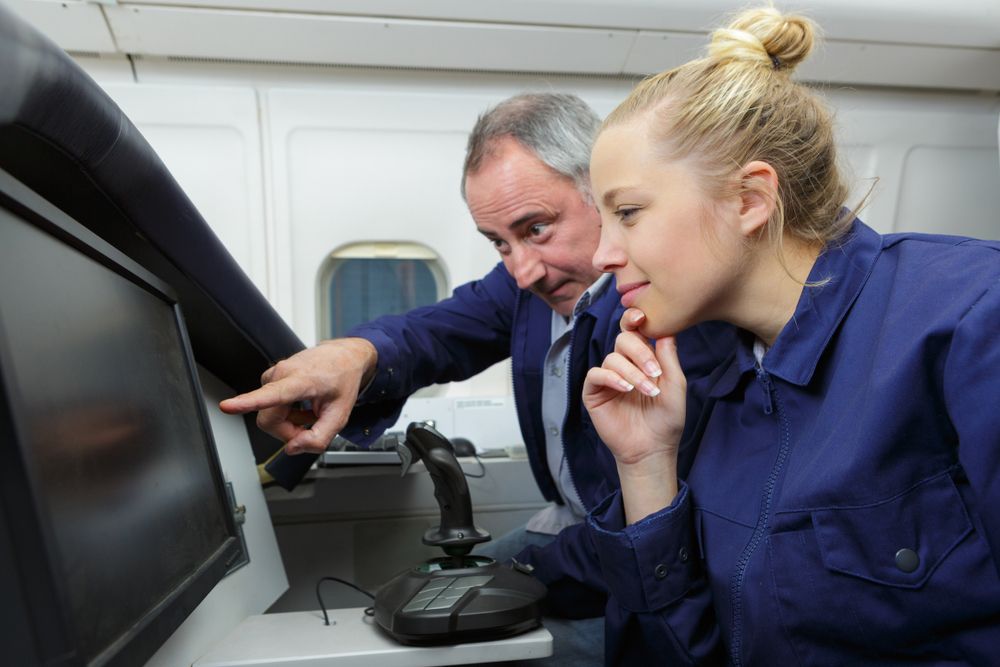
Simulator training allows pilots to practice engine failures, system malfunctions, and challenging instrument approaches in a controlled environment. Instructors can repeat scenarios and introduce emergencies that would be unsafe to recreate during actual flight.
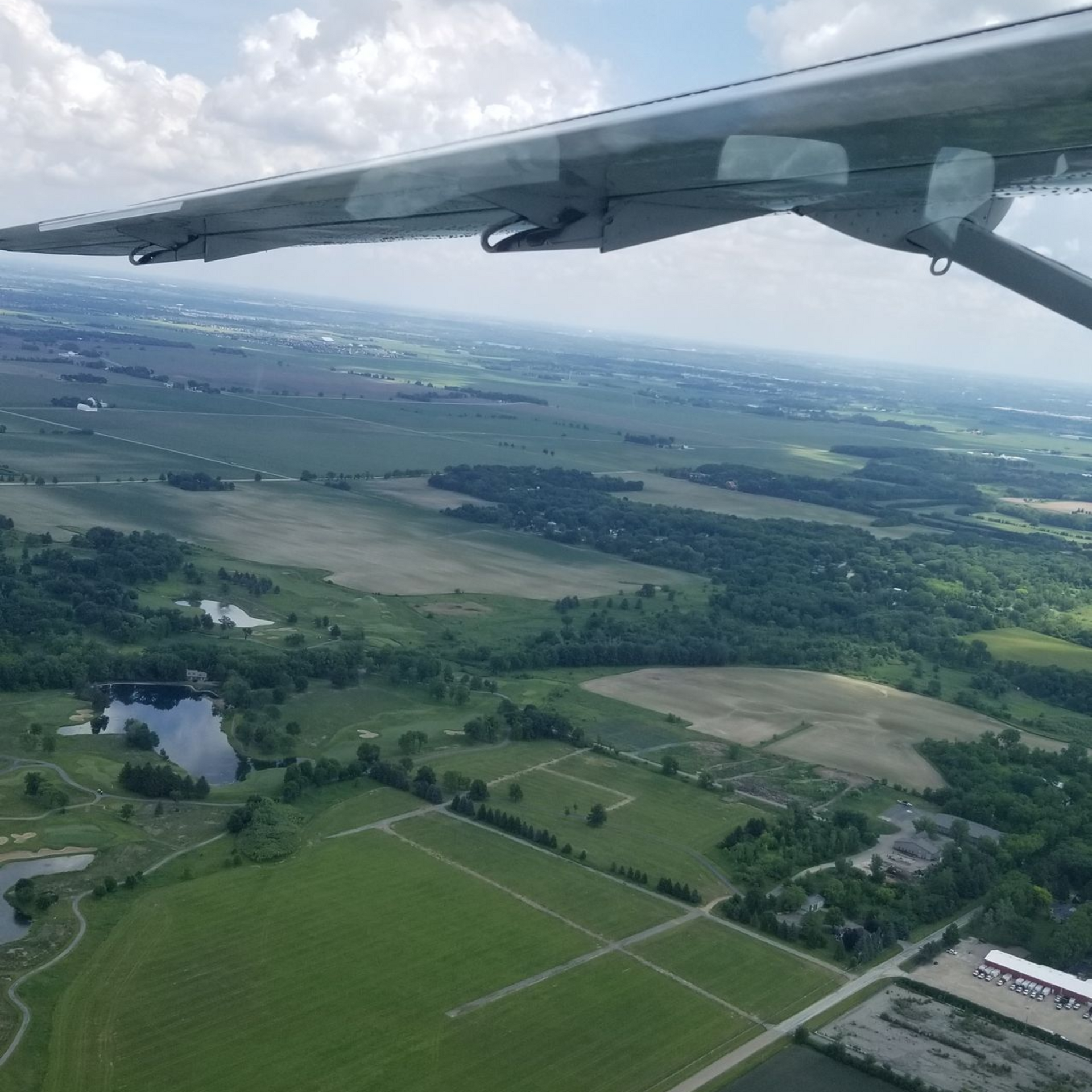
In-aircraft training gives pilots direct experience handling the Caravan, managing power settings, and responding to real flight conditions. It also helps pilots become familiar with the aircraft's performance during takeoffs, approaches, and landings.
Combining both methods provides opportunities to develop procedural knowledge and apply those skills during actual flight.
How JA Flight Trains Cessna Caravan Pilots
JA Flight offers Cessna Caravan initial and recurrent training programs in Sugar Grove, Illinois.
The
initial training program runs five to seven days and includes eight hours of ground instruction, four simulator hours, and 15 hours of actual Caravan flight training. Pilots practice aircraft procedures and develop practical handling skills.
The
recurrent training program runs two to three days, including eight hours of ground instruction and 10 simulator hours. Training focuses on
aircraft systems, emergency procedures, and instrument proficiency to help experienced pilots maintain their skills.
Which Cessna Caravan Training Course Is Right for You?
The right course depends on your Caravan experience and operational requirements.
Initial flight training is the appropriate starting point for pilots transitioning into the Caravan or learning its systems and handling characteristics for the first time.
Recurrent flight training is intended for experienced Caravan pilots looking to refresh their skills, practice emergency procedures, or meet ongoing training requirements.
Before enrolling, confirm any FAA, employer, or insurance requirements that apply to your operation. Some operators and insurers may require specific training or proficiency checks beyond the standard course curriculum.
Start Your Cessna Caravan Training at JA Flight
Ready to schedule your next training course? JA Flight offers Cessna Caravan initial training and recurrent training for pilots at different experience levels.
Contact JA Flight to discuss your training needs, review course options, and find a program that fits your experience and operational requirements.
Connect with Us: