Glass Cockpit vs Steam Gauges: Which Should You Learn On?
Share this article:
Choosing a flight school means comparing aircraft, instructors, training programs, and costs. Along the way, you may notice that some schools train primarily in glass cockpit aircraft, while others still use traditional steam gauges.
Many student pilots assume one option is better than the other, but the answer is not that simple. Each type of cockpit offers its own advantages and plays an important role in flight training. Understanding what each system teaches can help you choose a program that prepares you for the type of flying you hope to do in the future.
Glass Cockpit vs Steam Gauges: What Student Pilots Must Know
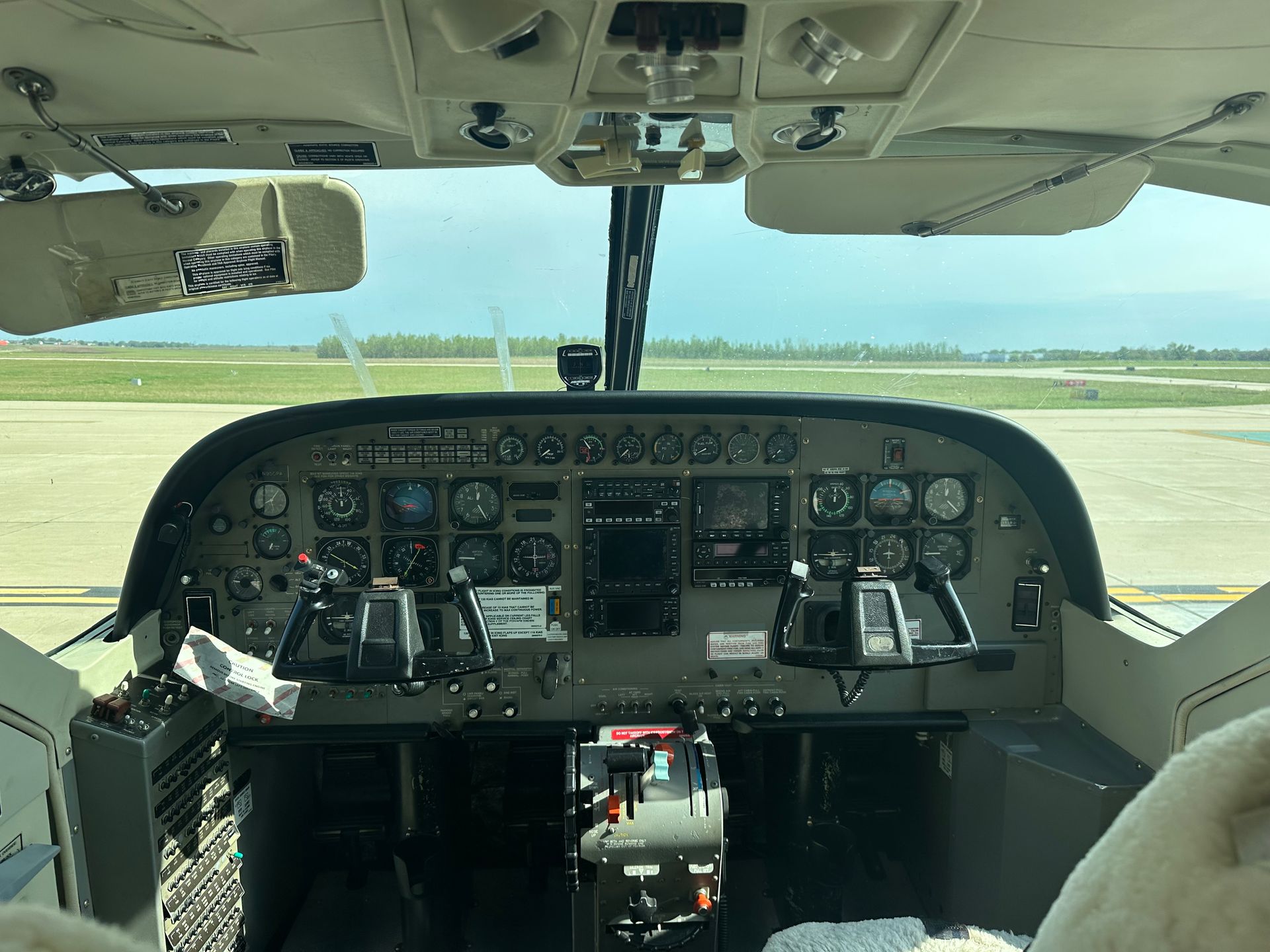
The biggest difference between a glass cockpit and steam gauges is how flight information is presented. A glass cockpit displays key flight data on electronic screens, while steam gauges use individual analog instruments for airspeed, altitude, attitude, and other flight information.
No matter which cockpit you train in, you will learn the same core flying skills required to earn your pilot certificate. The difference comes down to the tools you use during training.
Steam Gauges: The Ultimate Learning System
Steam gauges continue to play an important role in flight training, even as glass cockpits become more common. Many training aircraft still use traditional analog instruments because they are reliable, practical, and less expensive to maintain than advanced avionics systems.
Student pilots may encounter steam gauge aircraft during training, checkrides, aircraft rentals, or while building flight time after earning a certificate. Learning to fly with traditional instruments helps prepare students for a wider range of aircraft and flying environments, making steam gauge experience a valuable part of a well-rounded flight education.
Steam Gauges Sharpen Your Instrument Scan
One of the biggest training advantages of steam gauges is the way they help students develop a strong instrument scan. Instead of looking at a single display, pilots learn to move their eyes across individual instruments, checking airspeed, altitude, attitude, heading, and other key flight information to understand what the aircraft is doing.
This habit takes practice, but it builds a foundation that carries into every stage of flight training. Once students develop a disciplined instrument scan on steam gauges, those skills transfer easily to glass cockpits and other aircraft. That makes it easier to adapt as technology changes while maintaining the awareness needed to fly safely and confidently.
Glass Cockpits: Where Flying Meets Modern Aviation
While steam gauges remain an important part of flight training, glass cockpits have become the standard in many newer training aircraft and commercial fleets. Modern avionics, such as the Garmin G1000, are now commonly found in general aviation aircraft, making them a familiar platform for students preparing for a professional flying career.
Aircraft manufacturers and flight schools have increasingly adopted glass cockpit technology because it reflects the equipment pilots are likely to encounter throughout the aviation industry. As students progress through advanced training and into commercial flying, experience with modern flight displays becomes an important part of adapting to today's aircraft.
Glass Cockpits Enhance Automation Management & Situational Awareness
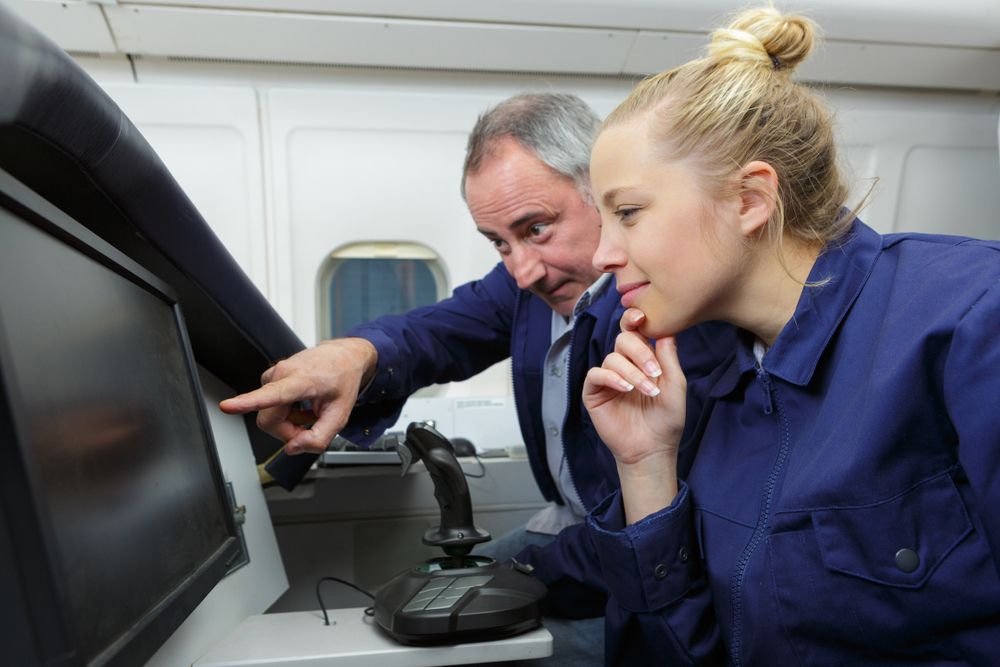
Glass cockpits help students develop the skills needed to manage today's advanced avionics. Instead of monitoring several individual instruments, pilots learn to interpret information presented on integrated flight displays while working with GPS navigation and, when appropriate, autopilot systems.
As technology takes on more routine tasks, pilots must stay actively involved by monitoring the automation, confirming the aircraft is following the correct course and altitude, and recognizing when manual input is needed. This helps build strong situational awareness and prepares students for the technology found in many modern general aviation aircraft and commercial flight decks. For pilots pursuing a professional aviation career, these skills become increasingly valuable as they transition into more advanced aircraft.

Why We Train You on Both at JA Flight
At JA Flight, students gain experience in both traditional and glass cockpit aircraft because each offers unique advantages. Training begins with aircraft that help students build a strong foundation before progressing to more advanced avionics used throughout the industry.
Students can develop their core flying skills in our Cessna 150 and non-G1000 Cessna 172 aircraft before transitioning to glass cockpit trainers like the Garmin G1000-equipped Cessna 172 and Diamond DA42. Our simulators further reinforce both skill sets, giving students the opportunity to practice in an analog Cessna 172 AATD and a G1000-equipped Cessna Caravan in a structured training environment.
This combination prepares students to fly confidently in a variety of aircraft while building experience with the technology used throughout modern aviation.
Glass Cockpits vs Steam Gauges: Commercial Pilots Use Both
The debate over glass cockpits vs. steam gauges does not have a one-size-fits-all answer. Steam gauges help students develop strong flying fundamentals and a disciplined instrument scan, while glass cockpits prepare pilots to operate the advanced avionics found in many modern training aircraft and commercial flight decks.
The most successful pilots are comfortable using both. Being able to transition between traditional instruments and modern avionics makes you a more adaptable pilot and prepares you for a wider range of aircraft throughout your
career.
Ready to Start Your Flight Training at JA Flight?
At JA Flight, you'll train in both traditional and glass cockpit aircraft, giving you the opportunity to build strong flying fundamentals while gaining experience with the technology used throughout modern aviation. Our experienced instructors and structured training programs are designed to prepare students for every stage of their aviation journey.
If you're ready to take the first step, explore our
Become a Pilot program, schedule a discovery flight, or contact our team to learn more about training at J.A. Flight. We'll help you find the program that fits your goals and get you started on the path to becoming a pilot.
Connect with Us: