Flight Training School: What to look for?
Share this article:
With news of the
anticipated pilot shortage all over the news, it’s no surprise that a lot of people are interested in following their dreams and becoming a pilot. If you are interested in
becoming a pilot. At JA Flight in Sugar Grove, Illinois, we've helped students from Aurora, the Fox Valley, and greater Chicagoland turn that goal into a career.
Flight training schools are working hard to meet the demand as it’s projected that they will need to turn out 87 new pilots each day. They aren’t all the same, so below are several different factors to consider where you want to go.
What are Your Pilot Goals?
Like anything else in life, it’s good to define your goals before getting started, especially your long-term goals. This way you have something to focus on, to keep you motivated and moving forward. Something you can use to get you over the little humps and bumps along the way.
Deciding, for instance, on whether you want to be a professional pilot or only flying as a hobby will go a long way in deciding what type of training you are looking for. If you are looking at it for a career, you may want to look for one that has an association or partnership with regional airlines as it can get you up and running faster upon graduation.
How Much Can You Afford?
Just as there are a lot of different types of cars out there, with just as many price-tags to match, the same is true of flight training schools. What schools charge varies widely, and several factors affect their rates: location of the school, how many students they can take on, the type of aircraft you will train on, and whether you're pursuing a private pilot certificate or a full commercial and instrument rating.
As a rough benchmark, earning a private pilot license in the United States typically costs between $12,000 and $18,000. A full career pilot path, from zero hours through commercial, instrument, and multi-engine ratings, generally runs $80,000 to $100,000 or more depending on the school, the aircraft, and how efficiently the student progresses. Fuel prices, aircraft rental rates, and instructor availability all move that number.
Some schools offer
financial assistance and loan programs to help spread the cost over time. Others partner with airline sponsorship or tuition reimbursement programs that offset a significant portion of training expenses once you're placed at a regional carrier. Decide on your budget, understand which financing options are available to you, and use that to narrow your list of candidates.
How Much Time Do You Have?
Are you willing to make training a priority might be the better question. Find out how much time is required for classes and flying, and what their schedule is, in order to find out if you are able to make the commitment. It can be costly to delay flight training because you didn’t plan ahead, and it can make it harder to gain the “muscle memory” that only comes with flying, and flying, and flying.
Part 61 Or Part 141 Flight Training School?
This is a big decision as both types of schools have distinct differences. Part 61 offers a bit more flexibility for your training, while 141 utilize FAA-approved training courses which must be adhered to. Over all, Part 141 schools are by their nature more structured than Part 61.
Only you can decide, based on your time availability, personal preferences, and learning style which is best for you.
Do Your Research
Part of your research can easily be done online by reading reviews, but you also need to get out and talk to pilots who have gone through the training program themselves. Ask them about the pros and cons and don’t expect perfection, because a perfect flight school doesn’t exist. What does is the right school. That is the one that is uniquely right for you, with all your requirements. You will find it, you just have to be committed to finding it.
Take a Tour
Once you’ve narrowed down your list, go ahead and schedule school tours and an introductory flight with an
instructor. If you're in the Chicago area, JA Flight offers tours of our facility at Aurora Municipal Airport (KARR) in Sugar Grove.
Safety
While doing your research, be sure to check the safety record of any flight school that is a serious contender. Ask questions about their safety record when you tour the facilities, and also ask about the maintenance of their aircraft and how the defect reporting system works. You want to make sure safety is their top priority.
Specific things to ask about include:
- Whether the school has an active Safety Management System (SMS) and what it covers
- How often aircraft are inspected and by whom
- The school's incident and accident history — this is public record and can be pulled from the NTSB and FAA databases before you visit
- Instructor experience levels and turnover rates
- Whether the school has published safety policies and how those are enforced in day-to-day operations
A school that answers these questions clearly, without hesitation, is one that treats safety as a culture rather than a checkbox. A school that gets defensive or vague is telling you something important. Every reputable flight school should welcome scrutiny of its safety practices, because a safe school has nothing to hide.
Aircraft and Simulators
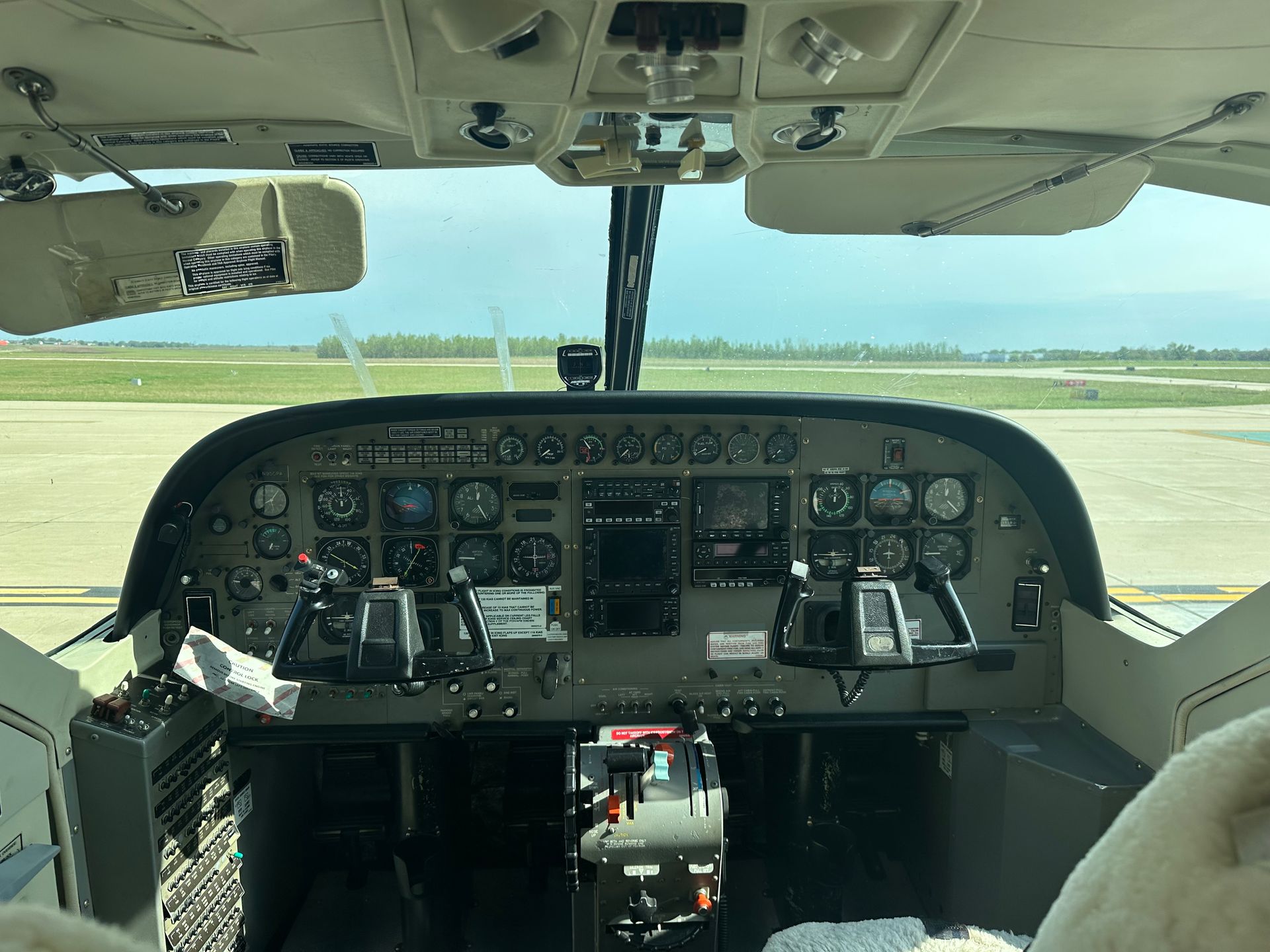
Preference should be given for flight training schools that use aircraft with modern, up-to-date equipment. Simulators take students through replica conditions as set by the instructors—extreme weather, emergencies, winter weather systems, or the high heat of summer in the south. These different experiences–simulating real life–allow students to take risks and experience failure without facing true danger.
Contact Us Today
Contact us today at J.A. Flight Training. Based at Aurora Municipal Airport (KARR) in Sugar Grove, Illinois, we serve aspiring pilots from Aurora, the Fox Valley, and across the Chicago area. We ARE what you’re looking for in a flight training school . We’re committed to your success.
Connect with Us: