Instrument Ratings: The Single Biggest Skill Upgrades
Share this article:
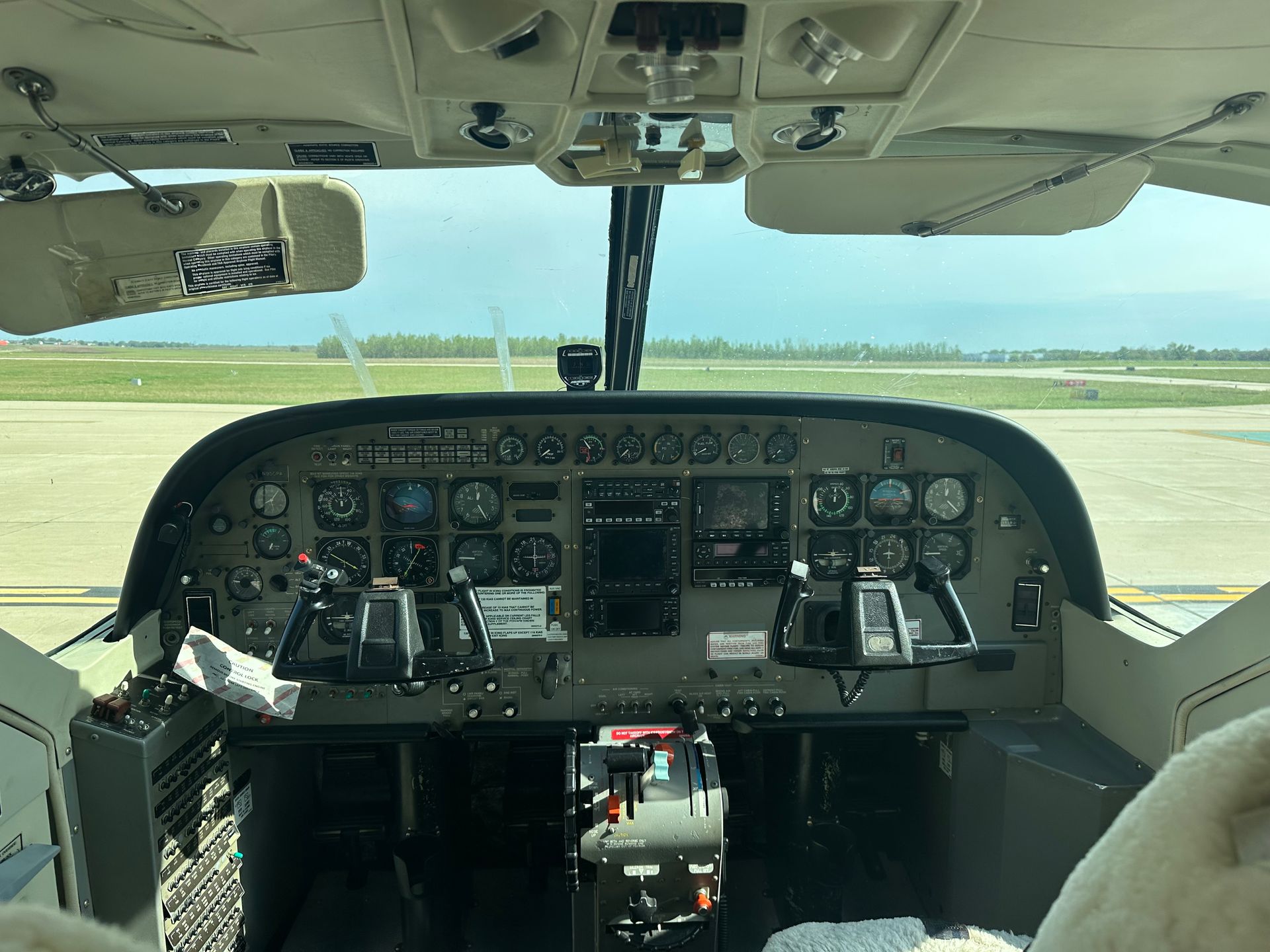
An instrument rating allows pilots to fly under Instrument Flight Rules (IFR), which means navigating and controlling the aircraft using cockpit instruments instead of outside visual references alone. Pilots learn how to operate in clouds, low visibility, and changing weather conditions while following ATC instructions, instrument approaches, and IFR procedures.
For many pilots, instrument training becomes the point where flying starts to feel more precise, disciplined, and career-focused.
What an Instrument Rating Actually Changes for a Pilot
An instrument rating changes the way pilots think and operate in the cockpit. Flights become more structured, communication becomes more precise, and decision-making starts happening further ahead of the airplane. Pilots learn how to manage IFR clearances, instrument approaches, navigation systems, and changing weather conditions without relying on outside visibility alone.
The training also increases confidence during real-world flying. Midwest weather can shift quickly, especially around the Chicago area, so instrument proficiency gives pilots more flexibility and stronger situational awareness during cross-country flights and busy airspace operations.
How JA Flight Structures IFR Training
JA Flight combines simulator sessions, ground instruction, and aircraft training so students can build IFR skills in stages. Training takes place in the DA40 and C172 near Chicago airspace, giving students experience managing real-world radio communication, approaches, and changing weather conditions.
Ground School and FAA Knowledge Test
Students begin instrument training on the ground, learning IFR regulations, weather interpretation, approach charts, navigation systems, and flight planning. Before taking the FAA knowledge test, pilots spend time building a strong understanding of how instrument flying works in real-world conditions.
Logging Sim Time in the DA40 and C172
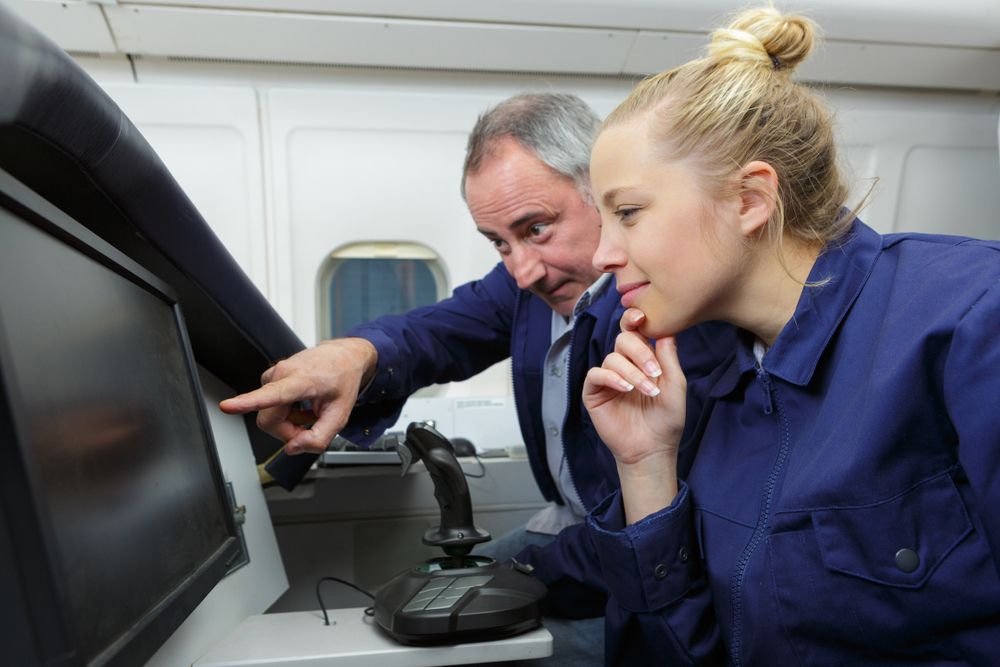
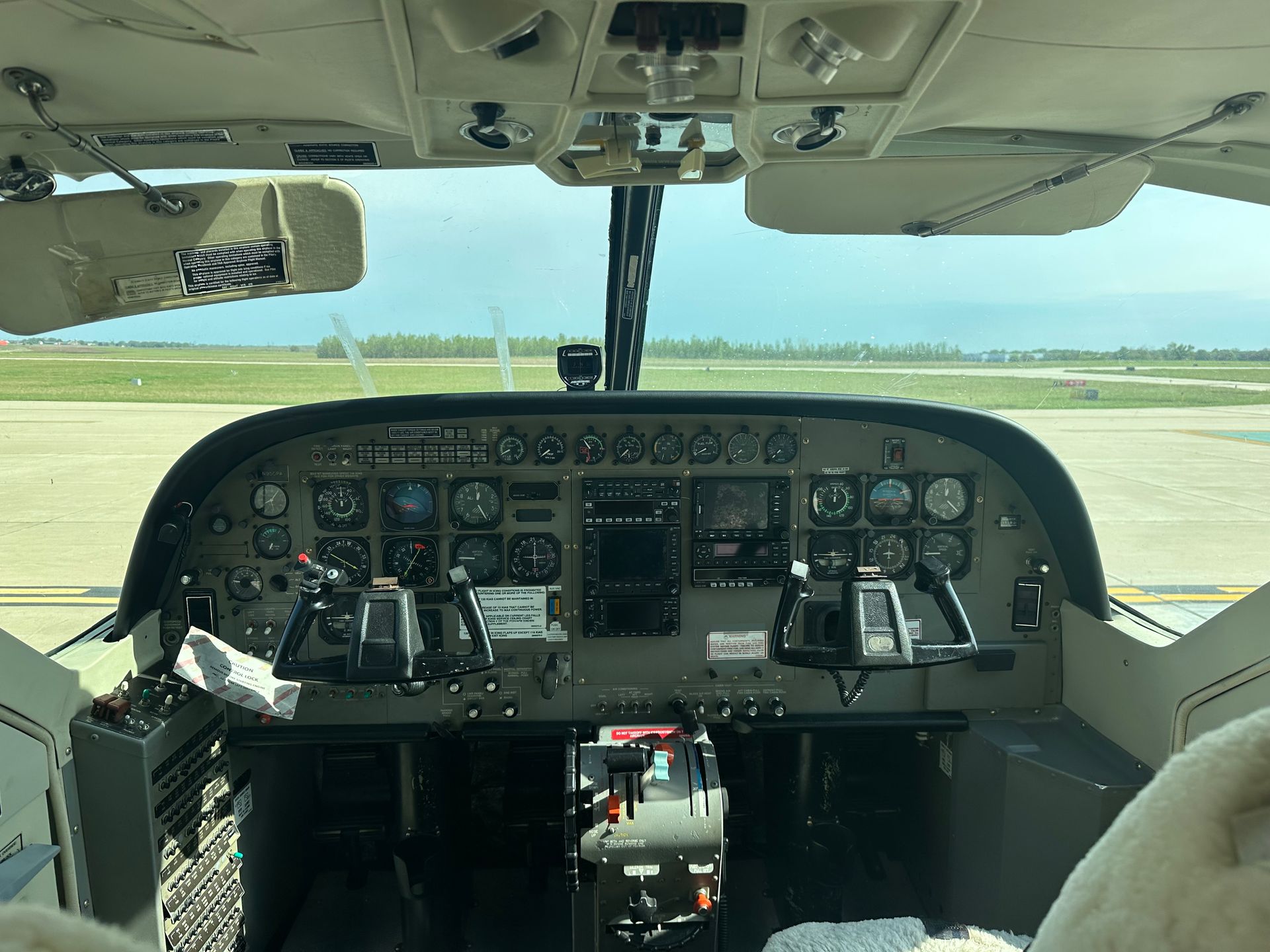
Simulator sessions help students practice approaches, holds, emergency procedures, and cockpit workflow before entering the aircraft. JA Flight students also log instrument training in the DA40 and C172, giving them experience using modern avionics during IFR operations around the Chicago-area airspace.
The Cognitive Shift Most Instrument Students Miss
Many pilots expect instrument training to focus mainly on flying in clouds. In reality, the biggest adjustment happens mentally. Students learn how to stay ahead of the airplane, process multiple tasks at once, and make faster decisions under pressure.
During IFR flights, pilots constantly monitor instruments, communicate with ATC, manage navigation changes, and plan several steps ahead. That shift takes time, especially for private pilots who are used to relying heavily on outside visual references. Once the workflow starts clicking, many students notice smoother flying and better situational awareness during every type of flight.
Why Instrument Training Improves Pilot Decisions
Instrument training teaches pilots how to slow down, organize information, and make better decisions under pressure. Students spend more time evaluating weather, planning alternate routes, monitoring fuel, and thinking several steps ahead during every flight.
That process builds stronger habits inside the cockpit. Pilots learn how to manage distractions, prioritize tasks, and avoid rushed reactions when conditions change unexpectedly. Many students notice improved confidence and smoother workload management long before the rating is complete.
How Long Does It Take to Get an Instrument Rating
The answer depends on training frequency, aircraft availability, weather, and how consistently a student studies outside of flight lessons. Most pilots complete instrument training faster when they fly multiple times per week and stay current on procedures between lessons.
Students working toward professional aviation careers often move through IFR training more efficiently because they stay immersed in the material. Gaps between lessons can slow progress, especially during approach work and instrument scan development.
Average Timeline for Full-Time Students
Full-time students often complete an instrument rating in a few months when training stays consistent. Flying several times per week helps students retain procedures, improve instrument scan patterns, and build confidence faster during IFR operations.
What Slows Most Students Down
Long gaps between lessons are one of the biggest setbacks during instrument training. Students can lose momentum quickly when procedures and cockpit workflows are not practiced regularly. Weak study habits outside flight lessons can also make IFR concepts harder to retain during checkride preparation.
Why the Instrument Rating Is a Career Multiplier
Airlines, charter operators, and corporate flight departments expect pilots to have strong IFR skills early in their training. An instrument rating prepares students for commercial operations where weather, airspace complexity, and schedule demands require a higher level of precision.
The rating also helps pilots build confidence during longer cross-country flights and multi-stage training programs. Many students feel more prepared for commercial pilot training after developing stronger cockpit organization, communication skills, and workload management during instrument flights.
Start IFR Training at JA Flight in Sugar Grove
JA Flight helps students build real instrument proficiency through structured flight lessons, simulator sessions, and consistent IFR instruction. Students train in modern aircraft like the DA40 and C172 while learning how to manage approaches, communicate efficiently with ATC, and stay organized during higher-workload flights.
For pilots pursuing airline or commercial aviation careers, instrument training becomes one of the biggest steps forward after private pilot certification.
JA Flight’s Career Airline Pilot Program gives students a direct path into advanced ratings and professional flight experience while training in a fast-paced environment designed for long-term career growth.
Contact JA Flight today to learn more about instrument rating training, schedule a discovery flight, or explore the Career Airline Pilot Program. The next stage of flight training starts with stronger skills in the cockpit and better confidence during every flight.
Connect with Us: