FAA Rules: Can You Get Multi Engine Before Commercial?
Share this article:
If you're planning your flight training, it's important to understand how a multi-engine rating fits into the path toward a commercial pilot certificate. Many aspiring professional pilots are unsure which ratings need to come first and what the FAA allows. Understanding the available training sequences can help you make informed decisions as you work toward your aviation goals.
Yes, You Can Get Multi Engine Before Commercial
Yes. The FAA allows pilots to earn a multi-engine rating before receiving a commercial pilot certificate. A private pilot can add an Airplane Multi-Engine Land (AMEL) rating to a private pilot certificate and continue building the experience required for commercial certification.
That said, earning a multi-engine rating early is only one of several FAA-approved training sequences. The best option depends on your flight experience, career goals, and how you plan to meet the commercial aeronautical experience requirements.
The Three FAA-Legal Sequences Pilots Actually Use
The FAA provides flexibility in how pilots progress through commercial and multi-engine training. Your training sequence can affect the aircraft you fly, when you complete certain requirements, and how you build experience along the way.
Multi-Add Path
In this sequence, a pilot earns a private pilot certificate, adds a multi-engine rating, and later completes commercial training in a single-engine airplane. This option allows pilots to gain multi-engine experience early while continuing to build the flight time needed for a commercial certificate.
Commercial-First Path
Many pilots complete their commercial certificate in a single-engine airplane before adding commercial multi-engine privileges. This is a common approach because most flight training is completed in a less expensive single-engine aircraft, with multi-engine training added afterward.
Initial Multi Path
Some pilots earn their initial commercial certificate in a multi-engine airplane. Under this approach, the commercial practical test is completed in a twin, provided the pilot meets the applicable requirements in 14 CFR 61.129(b). This path may be a good fit for pilots who plan to fly multi-engine aircraft professionally.
What 14 CFR 61.129(b) Requires
Pilots who choose to earn their initial commercial certificate in a multi-engine airplane must meet the aeronautical experience requirements outlined in 14 CFR 61.129(b). These requirements include specific totals for flight time, training, and solo or pilot-in-command experience.
One requirement that often influences a pilot's training sequence is the cross-country flight time requirement. Because the FAA specifies how this experience must be logged, some pilots find that one training path is a better fit than another based on the time they have already accumulated.
Cost and Time: Multi-First vs Single-First
Training in a multi-engine airplane typically costs more than training in a single-engine aircraft. Because of that, many pilots complete most of their flight time and commercial training in a single-engine airplane before transitioning to multi-engine training.
Choosing a multi-first path may make sense for pilots who want to gain twin-engine experience earlier or plan to complete their initial commercial certificate in a multi-engine aircraft. Comparing the total cost, available flight time, and long-term training goals can help determine which option is the better fit.
How Your Logbook Influences the Best Path
The flight time already recorded in your logbook can have a significant impact on which training sequence makes the most sense. Factors such as your total time, pilot-in-command experience, and cross-country time all play a role in meeting the FAA's commercial requirements.
Reviewing your logbook with a flight instructor can help identify the most efficient path forward and avoid unnecessary training or duplicate flight time.
When Earning Multi-Engine Early Makes Sense
Earning a multi-engine rating before your commercial certificate can be a practical choice for pilots with specific career goals or training plans. It allows you to begin building multi-engine experience sooner, which may be valuable if you plan to pursue airline or corporate flying where multi-engine proficiency is important. It can also make sense if you have access to a multi-engine aircraft or intend to complete your initial commercial certificate in a twin under 14 CFR 61.129(b).
The best option depends on your individual circumstances. An instructor can help you evaluate your experience, review your logbook, and determine which training sequence aligns with your goals while meeting FAA requirements.
How JA's Accelerated Multi-Course Supports Both Paths
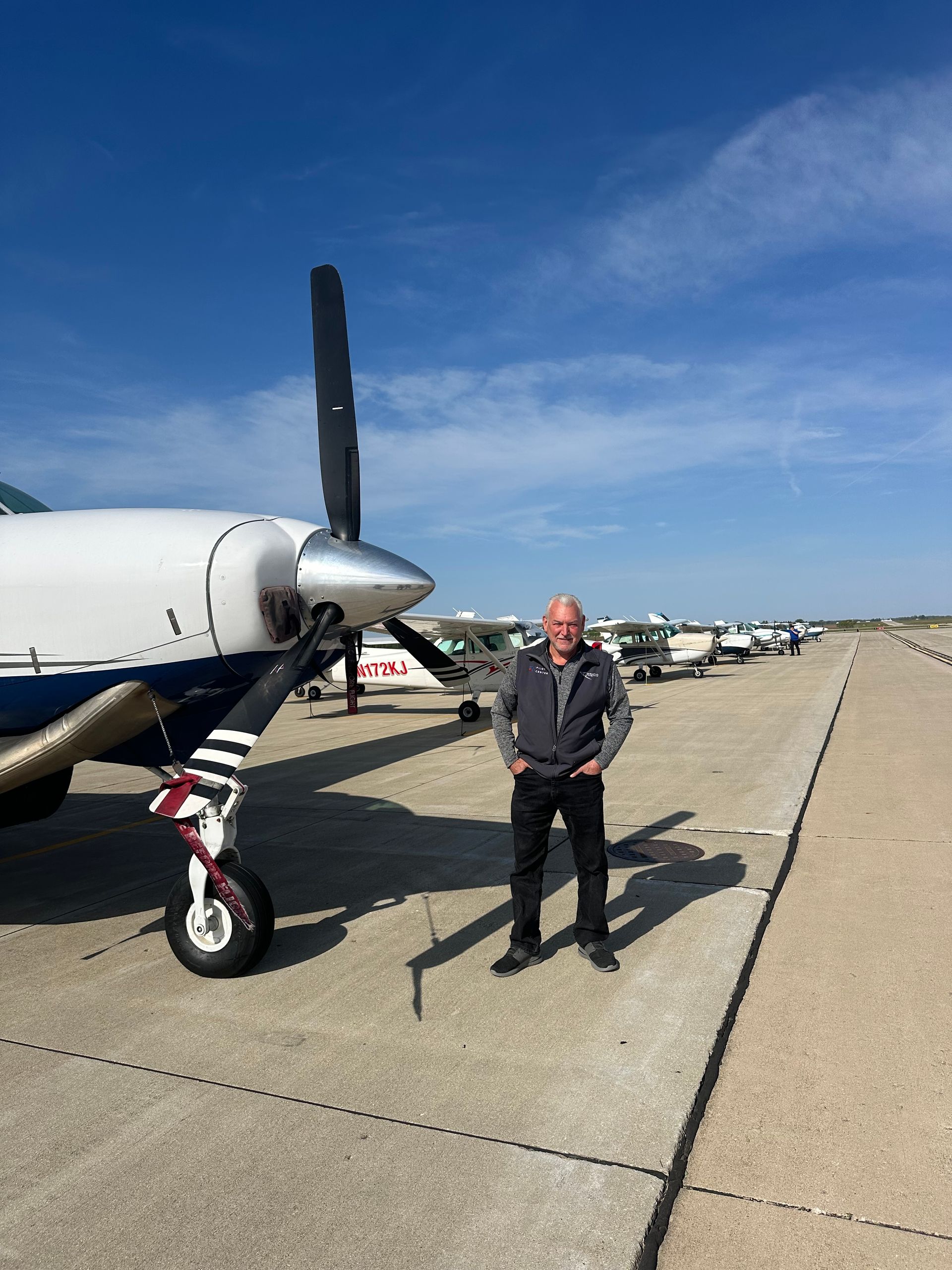
JA Flight Training's accelerated Multi-Engine Course is designed for pilots at different stages of training. Students can complete the course after earning a private pilot certificate or return later to add commercial multi-engine privileges. The four-day program is conducted in the Beechcraft B55 Baron and combines ground instruction with focused flight training to prepare pilots for the practical test.
For those pursuing a professional pilot career, multi-engine training can also be incorporated into JA Flight Training's career pilot programs, creating a clear path from initial training through advanced certifications.
Start Your Multi-Engine Training at JA Flight
Choosing the right time to earn your multi-engine rating depends on your experience, career goals, and the FAA requirements you still need to meet. Working with an experienced instructor can help you build a training plan that fits your timeline and avoids unnecessary costs.
JA Flight Training offers accelerated multi-engine training, career-focused flight programs, and personalized guidance to help pilots move confidently toward their next certificate or rating.
Contact JA Flight Training to learn more about our Multi-Engine Course and find the training path that's right for you.
Connect with Us: