How to Prepare for Your FAA Checkride Exam
Share this article:
Earning a pilot certificate leads to one defining moment: the FAA checkride. For many student pilots, this exam brings excitement, pressure, and plenty of unknowns. Stories from other students can make it sound intimidating, even mysterious. In reality, the checkride follows a clear structure and rewards preparation, consistency, and sound decision-making.
Pilots who approach training early, understand what examiners look for, and practice under realistic conditions tend to perform far better on checkride day. The right preparation builds confidence long before sitting down for the oral exam or taking off for the flight portion.
What Is a Checkride and Why It Matters
A checkride is the FAA’s practical exam required to earn a pilot certificate or rating. Every major milestone in flight training leads to one, including the Private Pilot Certificate and advanced ratings tied to professional flying. The checkride confirms that a pilot can translate training into safe, practical decision-making in the aircraft.
The checkride is conducted by a Designated Pilot Examiner who evaluates both decision-making and technical skill. This exam is not designed to trick students or push them beyond their training. It measures how well a pilot applies standards already outlined in the Airman Certification Standards (ACS). Examiners want to see consistent habits, sound judgment, and the ability to recognize and correct mistakes.

Passing a checkride represents more than checking a box in training. It signals readiness to operate at the next level of responsibility.
For pilots pursuing aviation careers, strong checkride performance sets the tone for future evaluations, employer interviews, and professional training environments. A disciplined approach to checkride prep helps students walk into the exam prepared rather than hoping for a good outcome.
How the FAA Checkride Is Structured and Graded
Every FAA checkride follows a standardized format outlined in the Airman Certification Standards. While examiner styles vary, the structure remains consistent. The exam includes two parts: the oral exam and the flight portion. Both must be completed to pass.
The oral exam takes place on the ground and focuses on aeronautical knowledge, risk management, and judgment. Questions are often scenario-based rather than fact-driven. Examiners listen for clear thinking, sound planning, and practical decision-making. Missing a question alone does not cause failure, but weak reasoning can.
The flight portion evaluates required maneuvers and procedures listed in the ACS. Each task has defined performance tolerances. When a maneuver falls outside those limits, examiners pay close attention to how quickly and effectively the pilot recognizes and corrects the issue.
Checkrides are graded on a pass or fail basis. A notice of disapproval applies only to specific areas that need improvement, not the entire exam. Focused checkride prep helps students understand these standards and reduces uncertainty on exam day.
Common Reasons Students Fail a Checkride
Most checkride failures stem from training habits rather than a lack of ability. Examiners tend to see the same issues when students rush their preparation or approach the exam differently than normal flying.
Common reasons include:
Poor decision-making under pressure:
Knowing the answer but struggling to apply it during realistic scenarios.
Incomplete risk management:
Gaps in weather planning, fuel analysis, or hazard awareness.
Inconsistent aircraft control:
Repeated deviations or delayed corrections during required maneuvers.
Missing required knowledge:
Weak areas in airspace, systems, or performance planning that surface during the oral exam.
Misaligned preparation:
Training for stage checks instead of examiner expectations.
What Examiners Expect From You on Checkride Day
FAA examiners evaluate how a pilot thinks and operates, not flawless performance. Applicants should arrive prepared, organized, and ready to make safe decisions.
During the oral exam, examiners focus on reasoning and judgment. Clear explanations matter more than scripted answers. When a mistake happens, recognizing it and correcting it promptly shows awareness and professionalism.
In the flight portion, consistency carries more weight than precision. Smooth control, steady approaches, and proper checklist use reflect strong fundamentals. Examiners also watch how pilots manage workload, communicate, and adjust to changing conditions.
Honesty is expected throughout the exam. Admitting uncertainty and explaining how to find the correct information is always preferable to guessing. Treating the checkride like a normal training flight helps reduce pressure and leads to better performance.
Essential Checkride Prep You Should Start Early
Effective checkride prep starts long before the exam is scheduled. Students who build preparation into daily training tend to stay calm and avoid last-minute pressure.
Focus early on these areas:
Understand the Airman Certification Standards:
Review the ACS regularly so tasks, tolerances, and knowledge areas feel familiar.
Practice scenario-based thinking:
Work through real-world situations during ground lessons and flights to sharpen judgment.
Standardize procedures:
Use consistent checklists, callouts, and flows to reduce workload.
Train like it is checkride day:
Fly full profiles without instructor prompting, including planning and briefings.
Fix weak areas early:
Identify problem spots with enough time to improve.
Early checkride prep keeps training focused and builds confidence heading into the exam.
How to Prepare for the Oral Portion
The oral exam tests how well a pilot understands and applies knowledge, not how much information can be memorized. Preparation should focus on comprehension, organization, and the ability to explain decisions clearly.
To prepare effectively:
Know your aircraft:
Be ready to explain systems, limitations, and normal operations using the Pilot’s Operating Handbook.
Review regulations and airspace:
Focus on rules that apply directly to the planned flight and common operating areas.
Plan a complete cross-country:
Expect questions tied to weather, fuel planning, performance, alternates, and risk assessment.
Use a scenario-based study:
Practice answering “what would you do” questions instead of reciting definitions.
Organize reference materials:
Know where to find answers in charts, manuals, and Federal Aviation Regulations.
How to Prepare for the Flight Portion
The flight portion shows how well a pilot applies training in real time. Examiners focus on safe decision making, consistent aircraft control, and situational awareness.
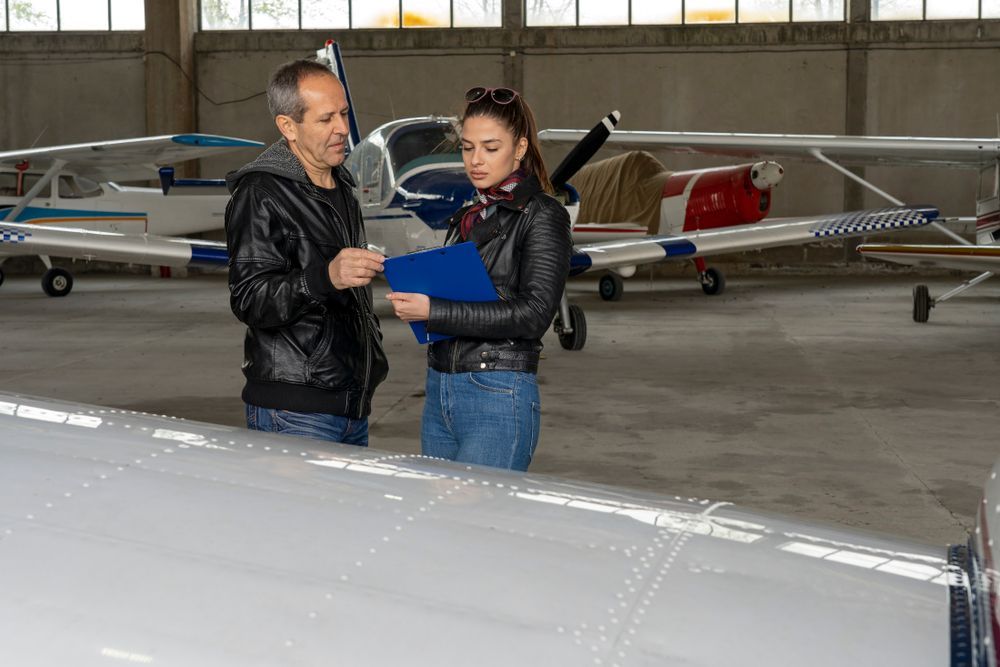
Preparation comes from flying every lesson to ACS standards. Maneuvers should stay within tolerances, with prompt corrections when needed. Before takeoff, pilots should be comfortable briefing weather, aircraft status, airspace, and risk factors.
In flight, stable control of airspeed, altitude, and heading matters most. Proper checklist use and clear callouts support workload management. Examiners also expect calm, logical responses to abnormal and emergency scenarios.
Approaching the flight portion like a normal training flight helps keep performance steady on checkride day.
Train Smarter for Your Checkride at JA Flight
Checkride preparation at JA Flight starts early and stays consistent throughout training. Instructors teach to FAA standards every day, so expectations are clear from the first lesson. Training emphasizes sound decision-making, standardized procedures, and realistic scenarios that match examiner expectations.
Students learn in a professional, career-focused environment designed to build confidence and consistency over time. Each flight
prepares pilots for the next stage of training, not just the next test.
If you’re preparing for an upcoming checkride or planning your path toward a
professional pilot career,
talk with the JA Flight team today and see how structured training can help you move forward with confidence.
Connect with Us: