How Many Flight Hours Do You Need to Become a Pilot?
Share this article:
Many people picture pilot training as a series of lessons focused on takeoffs, landings, and mastering the controls. But what often shapes the journey even more is the steady accumulation of flight hours. Time spent in the cockpit builds consistency and confidence with every mile flown.
Understanding how many flight hours to become a pilot changes the way future aviators plan, train, and stay motivated throughout the process.
Why Flight Hours Matter in Your Pilot Journey
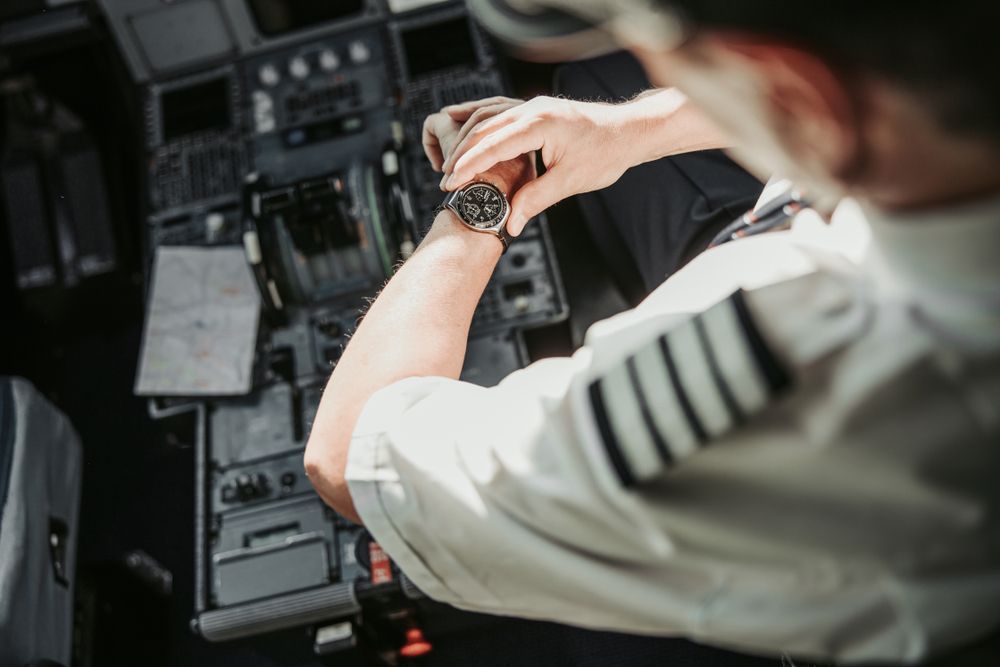
Flight hours track time in the air, but their real value comes from the experience gained along the way. They show how a pilot handles different aircraft, adapts to changing weather, and makes decisions in real flight conditions. Each hour logged represents another step toward proficiency and safety. The FAA uses these totals to determine when a pilot is qualified to move forward, from solo flights to instructor endorsements and career certifications. Knowing how many flight hours to become a pilot helps set clear goals and gives structure to a training plan that builds real skill.
FAA Flight Hour Requirements by Pilot License Type
Each pilot certificate comes with a defined number of required flight hours. The totals vary based on license type and purpose. Here’s how they compare across the three most
common license types.
Private Pilot License (PPL)
The FAA requires a minimum of 40 flight hours for a Private Pilot License. This includes at least 20 hours of flight training with an instructor and 10 hours of solo time. Most students, however, log closer to 60 to 70 hours before passing the checkride. These hours focus on basic maneuvers, navigation, emergency procedures, and solo cross-country flights. A PPL is the first major milestone and serves as the foundation for all advanced training. It gives pilots the ability to fly non-commercially and carry passengers, but not for compensation or hire.
Commercial Pilot License (CPL)
To qualify for a Commercial Pilot License, the FAA requires 250 total flight hours. This includes 100 hours as pilot-in-command and 50 hours of cross-country time. Pilots also complete training in complex aircraft and perform advanced maneuvers to demonstrate higher levels of control and situational awareness. Earning a CPL allows a pilot to get paid for flying, such as banner towing, flight instruction, aerial survey work, or charter operations. Many pilots use this phase to build time and sharpen their skills before moving toward airline requirements.
Airline Transport Pilot (ATP)
The ATP certificate requires 1,500 total flight hours, including 500 hours of cross-country time, 100 hours of night flying, and 75 hours of instrument time. These hours must be documented and meet detailed FAA criteria. This license is required for anyone who wants to fly for a scheduled airline. Most pilots reach this milestone through a combination of structured programs, time-building jobs, and flight instruction. It marks the highest level of certification and reflects a deep commitment to both safety and professionalism in aviation.
How Long It Takes to Earn Your Flight Hours?
The time it takes to reach each flight hour milestone depends on a mix of availability, consistency, and training structure. A student flying two to three times per week might earn a Private Pilot License in six to nine months. Reaching 250 hours for a Commercial Pilot License can take a year or more, depending on how often they fly. The full 1,500 hours needed for an Airline Transport Pilot certificate may take two to three years, especially when balancing time-building jobs alongside training commitments.
The 1,500-Hour Rule Explained
To fly for a commercial airline in the U.S., pilots must meet the FAA’s 1,500-hour flight time requirement. This rule was introduced to raise safety standards and ensure pilots gain broad, hands-on experience before stepping into the right seat of a regional or major airline.
What counts toward the 1,500 hours:
- Time as pilot-in-command (PIC)
- Dual instruction received
- Cross-country and night flying
- Simulator time (limited amounts, depending on approval)
- Flight instruction given (for CFIs)
Most pilots reach this through structured training, paid flying jobs, and consistency.
Fastest Ways to Build Flight Hours for Your Pilot License
Once a pilot earns a Commercial Certificate, the focus shifts to logging time efficiently. While every flight counts, certain roles and routines help accelerate the process and keep skills sharp.
Common ways to build hours more quickly:
- Flight instructing (CFI)
- Flying a pipeline, powerline, or traffic patrol
- Banner towing or aerial photography
- Time-sharing rentals with other pilots
- Volunteering for ferry or repositioning flights
- Joining structured time-building programs through flight schools or partnerships
The best route depends on goals, availability, and access to aircraft or training resources.
How JA Flight Training Helps You Reach 1,500 Hours
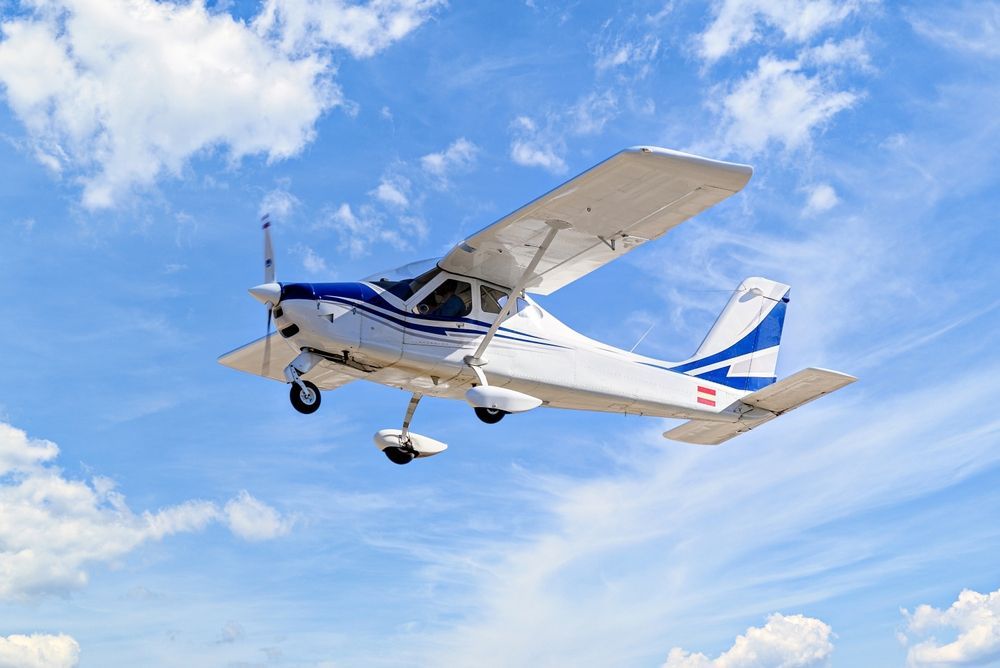
JA Flight Training focuses on preparing pilots for long-term careers in aviation. Through its partnership with Liberty University, students can progress from Private to Commercial training in a structured timeline that supports consistent flying. Graduates often continue as paid flight instructors within the program, building hours while helping others learn. Access to a large, well-maintained fleet and experienced mentors creates a focused environment for time-building. This model creates a clear, repeatable path toward the 1,500-hour requirement with fewer delays and more day-to-day structure.
What to Expect on Your Path to Becoming a Commercial Pilot
The path to a
commercial pilot career begins with earning a
Private Pilot License, followed by the Instrument and Commercial ratings. Along the way, pilots learn to manage complex airspace, fly in changing weather, and make decisions under pressure. After reaching 250 hours, many become instructors or take entry-level flying jobs to keep logging time. Hitting 1,500 hours opens the door to airline opportunities. It’s a process that requires commitment, but each step adds confidence, capability, and a clearer sense of readiness for the cockpit.
Start Building Your Flight Hours with JA Flight Training
Every hour counts, but the right training environment can make each one more valuable. JA Flight Training offers a focused, career-oriented approach for students ready to pursue aviation professionally. From your first flight through advanced ratings and instructor opportunities, the program is built to support steady progress toward 1,500 hours. Some students begin right after high school, while others come in after years of working in a different field. Either way, the team is ready to help you take the next step.
Contact us to learn how we can help you move forward with confidence.
Connect with Us: